Connectivity has always moved quietly in the background of our lives. We rarely think about networks when things are working fine. We notice them only when a video buffers, a call drops, or a payment fails. Yet, every major change in technology has been built on better connectivity.
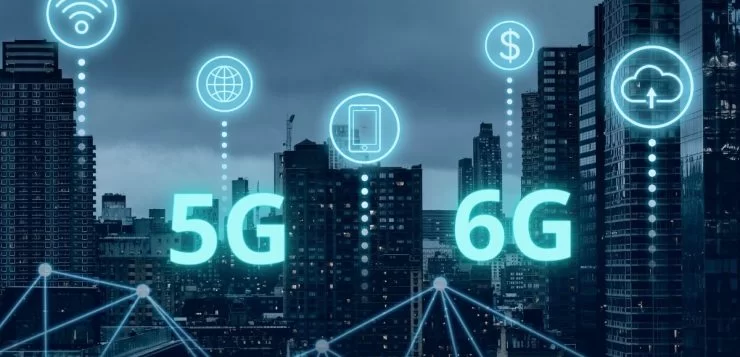
As we step into 2026, the conversation is slowly moving from 5G to the early ideas of 6G. This shift is not about chasing speed numbers anymore. It is about how networks will start understanding situations, adapting to needs, and connecting people and machines more intelligently than ever before.
The real transformation will not be dramatic. It will feel smooth, natural, and almost invisible.
From Faster Internet to Smarter Connectivity
When 5G was first introduced, it was marketed mainly around speed. Faster downloads, smoother streaming, low latency gaming. These benefits were real, but they were only the beginning.
By 2026, 5G networks will mature. Coverage will improve, stability will increase, and performance will become more consistent. At the same time, early development of 6G will start shaping the future.
The focus will shift from raw speed to smart connectivity. Networks will prioritise tasks automatically. A video call will get preference over a background download. A hospital system will get more reliability than entertainment traffic.
Connectivity will stop being equal for everything. It will become meaningful.
Everyday Life Feels Less Interrupted
One of the biggest changes people will feel in 2026 is reliability. Dropped calls, frozen meetings, and delayed messages will become less common.
Work-from-home and hybrid work setups will benefit greatly. Video calls will feel more natural. File sharing will be instant. Collaboration tools will work smoothly without constant reconnecting.
Students attending online classes will have better access. Remote education will feel more stable, not frustrating.
The internet will stop feeling fragile.
Connectivity Reaches Beyond Big Cities
In many countries, especially in India, network quality changes drastically between cities and smaller towns. In 2026, this gap will begin to narrow.
Better 5G rollout, combined with satellite-based connectivity, will bring stable internet to rural and remote areas. Farmers, small business owners, and students will gain better access to digital services.
This is not just a technical upgrade. It is a social one.
When connectivity improves, opportunity follows.
Machines Start Talking to Machines
One of the quiet revolutions of 2026 will be machine-to-machine communication. Factories, transport systems, energy grids, and smart cities will rely on fast, low-latency networks.
Traffic signals will talk to vehicles. Power systems will balance loads automatically. Warehouses will optimise operations in real time.
Humans will not see these systems directly, but they will feel the results. Less traffic. Fewer outages. Faster services.
Connectivity will move from screens to systems.
Gaming, AR, and Immersive Experiences Become Practical
High-speed, low-latency networks will unlock experiences that were earlier limited by connectivity.
Cloud gaming will become more reliable. Augmented reality will work smoothly in navigation, shopping, and education. Virtual events will feel more interactive.
These experiences will not be limited to premium users. As networks mature, they will become more accessible.
Entertainment will feel richer, not heavier.
Healthcare and Emergency Services Gain a Boost
Connectivity in 2026 will play a major role in healthcare. Remote monitoring, telemedicine, and emergency response systems will become faster and more reliable.
Doctors will consult patients across distances without worrying about connection quality. Ambulances will send live data to hospitals. Wearables will alert systems in real time.
In critical moments, reliable connectivity can save lives.
Early Signs of 6G Shape the Future
While full 6G networks are still some years away, 2026 will see early research and testing influence design decisions.
6G is expected to focus on ultra-low latency, massive connectivity, and integration with AI. Networks will not just transmit data; they will understand context.
This means networks that adapt automatically to user needs. A system that knows when reliability matters more than speed. When privacy matters more than performance.
Connectivity will become intelligent infrastructure.
Security and Privacy Travel Along with Speed
As networks become faster and more capable, security becomes more important. In 2026, network-level security will improve.
Threat detection will happen in real time. Data will be protected end-to-end. Systems will isolate issues before they spread.
Users may not notice these changes, but they will feel safer.
Speed without safety has no value.
Final Thoughts
The journey from 5G to 6G in 2026 is not about chasing the fastest internet on paper. It is about building networks that support real life.
Better calls. Smoother work. Fairer access. Smarter systems.
Connectivity will stop being something we complain about and start being something we trust.
And when networks become reliable enough to disappear into the background, that is when they truly transform the world.