A few years ago, cybersecurity felt like a technical problem meant only for IT teams and big companies. Ordinary users thought it was enough to install an antivirus, set a password, and move on. But as we enter 2026, that thinking no longer works. Digital life has become personal, emotional, and deeply connected to daily routines. And where there is personal data, there are always people trying to misuse it.
In 2026, cybersecurity will stop being a background topic and become part of everyday awareness. Not because people are afraid, but because digital safety will feel as normal as locking the door before sleeping.
The interesting part is that while threats will grow smarter, protection will grow calmer and more human.
Threats Become More Convincing Than Ever
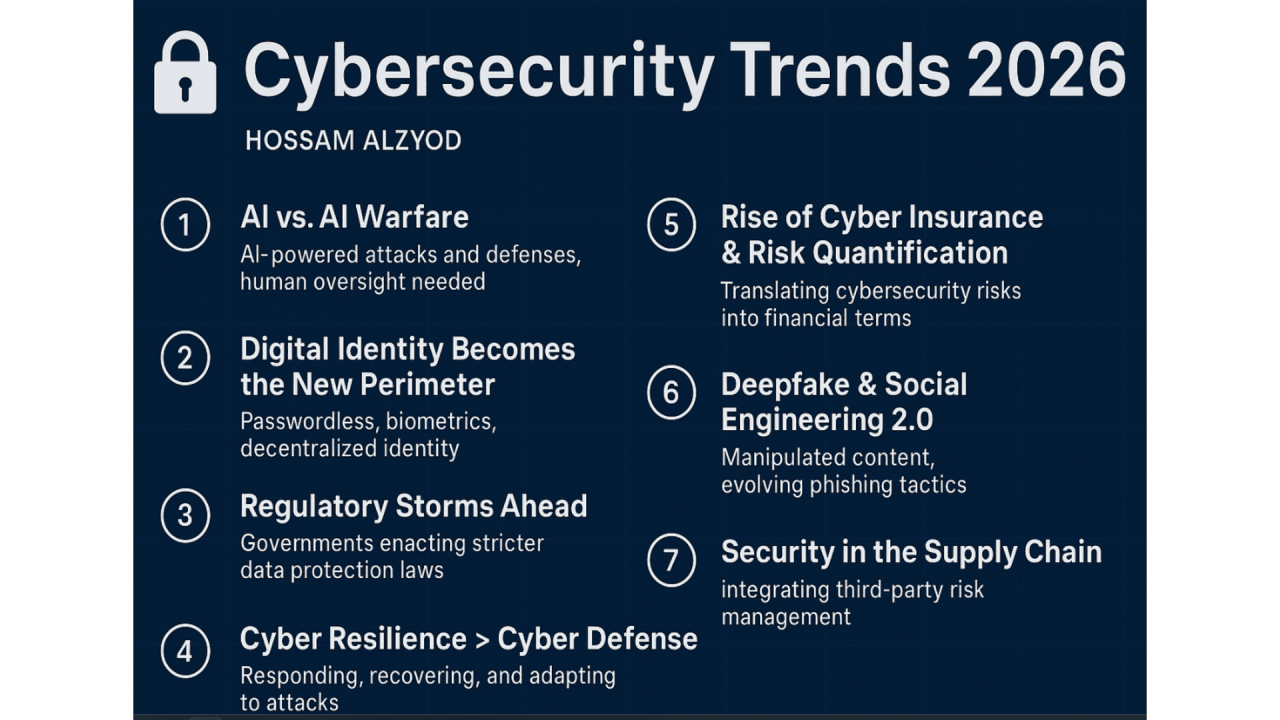
One of the biggest changes in 2026 is how cyber threats look and feel. Earlier, scams were easy to spot. Poor grammar, suspicious links, strange messages. Now, with the help of artificial intelligence, attacks are becoming more realistic.
Fake emails will sound professional. Scam calls will use familiar voices. Deepfake videos may show people saying things they never said. Messages will arrive at the right time, using personal information taken from public sources.
This makes cybersecurity less about technical knowledge and more about awareness. The danger will not look dangerous anymore.
People will need to slow down, think carefully, and trust systems that help verify information before reacting.
Passwords Slowly Lose Their Importance
Passwords have always been weak points. People reuse them, forget them, or choose simple ones. By 2026, the world will start moving beyond passwords as the main security method.
Biometric authentication will become common. Fingerprints, face recognition, and even voice patterns will be used regularly. Devices will also recognise users based on behaviour, like typing speed or navigation style.
This does not mean passwords will disappear completely, but they will no longer carry the full responsibility of security.
Logging in will feel easier, not harder.
Devices Start Protecting Themselves
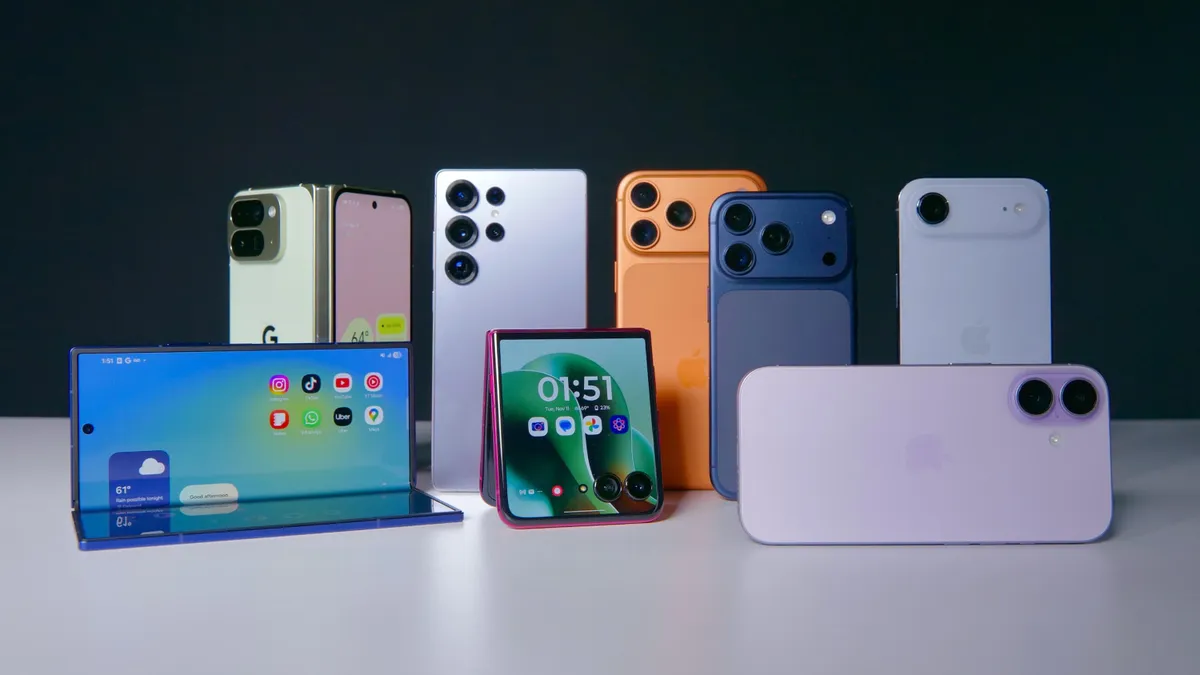
In 2026, security will become more intelligent at the device level. Phones, laptops, and smart devices will constantly monitor activity patterns.
If something unusual happens, like access from an unknown location or strange usage behaviour, the system will react immediately. This could mean temporary locking, extra verification, or alerting the user.
The important change is speed. Instead of discovering a breach after damage is done, systems will act in real time.
Security will feel proactive, not reactive.
AI Fights AI in the Background
As attackers use AI to automate and scale cybercrime, defenders will use AI to counter it. In 2026, this silent battle will run continuously in the background.
AI systems will analyse massive amounts of data to detect unusual patterns. They will identify threats faster than humans ever could. Phishing attempts will be filtered more accurately. Fake websites will be flagged early.
For users, this battle will be invisible. They will simply notice fewer problems and safer experiences.
The best cybersecurity will be the one people rarely notice.
Digital Safety Becomes Part of Daily Habits
Just like people learned to wear seatbelts and helmets, digital safety will become a daily habit in 2026.
Users will become more careful about sharing information online. Children will be taught how to identify fake content. Elderly users will get simpler protection tools.
Workplaces and schools will treat cybersecurity awareness as basic education, not advanced training. Short reminders, simple rules, and clear warnings will replace long technical manuals.
Security will become inclusive, not intimidating.
Businesses Focus on Trust, Not Just Compliance
For businesses, cybersecurity in 2026 will not be only about following rules. It will be about earning trust.
Customers will choose services that respect privacy, explain data usage clearly, and respond transparently to issues. Companies that hide breaches or confuse users will lose credibility quickly.
Security will become part of brand identity. Just like customer service and product quality, it will influence loyalty.
This shift will push companies to invest in better systems and clearer communication.
Smart Homes and IoT Need Special Care
As homes become smarter, cybersecurity will move beyond phones and computers. Smart locks, cameras, appliances, and vehicles will all need protection.
In 2026, manufacturers will take this more seriously. Devices will receive regular updates. Default passwords will disappear. Local processing will reduce data exposure.
Users will also become more selective. Trust will matter more than features.
A smart home that feels safe will be more valuable than one that feels flashy.
Privacy and Security Find a Balance
One of the biggest challenges of 2026 will be balancing security with privacy. People want protection, but they also want control.
Systems will become more transparent. Users will see what data is used and why. Settings will become simpler and clearer.
Security will not mean constant surveillance. It will mean smarter design.
The Human Element Remains Important
Despite all the technology, humans will remain the weakest and strongest link in cybersecurity. Mistakes will still happen. But education and awareness will reduce damage.
People will learn to pause before clicking. To verify before sharing. To update devices regularly.
Cybersecurity will become less about fear and more about responsibility.
Final Thoughts
Cybersecurity in 2026 will not feel like a technical shield. It will feel like a quiet guard, always alert but never disturbing.
Threats will become smarter and more convincing, but protection will become more thoughtful and human.
In a world where digital life is real life, security will not be optional. It will be a shared habit.
And when cybersecurity works best, it will not shout warnings — it will quietly keep life moving forward, safely and confidently.