For many of us, wearable technology started as a fun gadget — something you strapped on to count steps or check the time without pulling out a phone. But a few years down the road, wearables have quietly grown up. They have moved from simple fitness trackers to powerful health-monitoring tools that don’t just record data but help us make sense of it.
In 2026, wearables are no longer just about counting steps or calories. They’re becoming everyday companions — devices that keep an eye on our bodies in the background, offering insights that once required a clinic visit or a lab test. Some even edge close to functioning like a personal health assistant, helping people stay proactive about wellness, chronic condition management, and preventive care.
Let me walk you through what this evolution looks like — not in dry technical terms, but in the way these devices are shaping real lives.
Small Devices, Big Roles
It’s amazing how much meaning a tiny device on your wrist or finger can hold now. The focus in 2026 has shifted to wearables that are comfortable, accurate, and increasingly non-intrusive — blending health technology with everyday life.
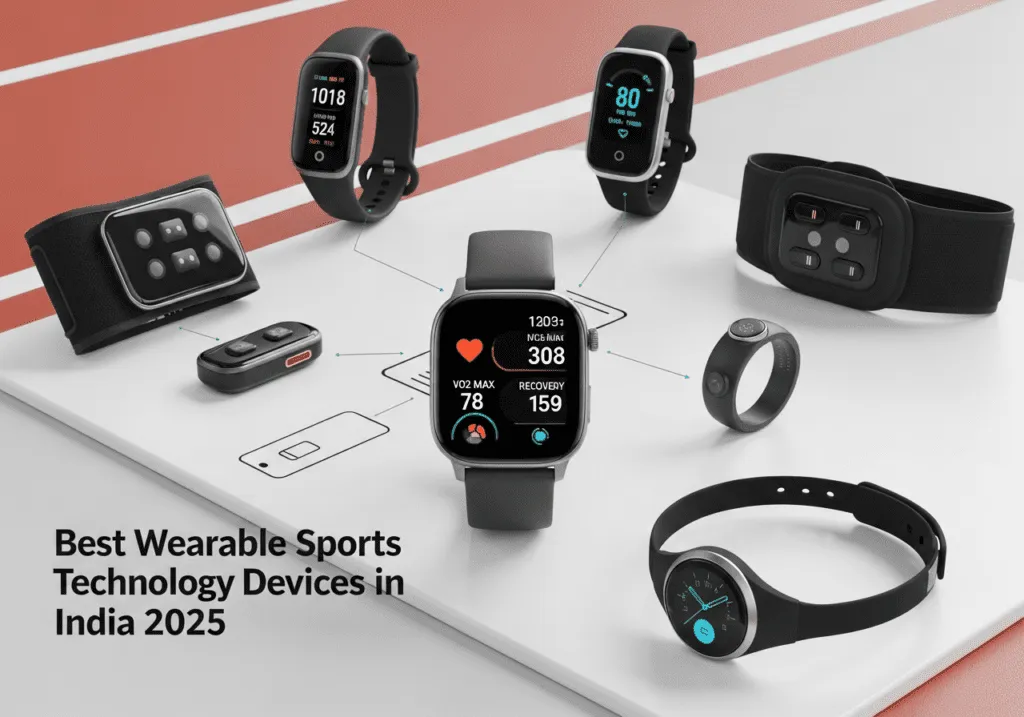
Take the Whoop 5.0 Peak Health and Fitness Tracker for example. Whoop has been known for deep analytics that go beyond mere step counting. Its latest iteration offers insights into strain, recovery, sleep patterns, and even something called “Whoop Age” — a score that estimates your biological age based on health data. This isn’t just fitness motivation; it’s about understanding how your body responds to stress and activity — every day.
On the other end of the spectrum, devices like the Fitbit Inspire 3 Health Fitness Tracker make advanced tracking affordable and simple. Even a budget wearable today measures heart rate, sleep quality, and energy levels, giving millions of people a way to monitor meaningful health data without a hefty price tag.
Then there’s the shift to ultra-light, discreet wearables — like the ULTRAHUMAN Ring AIR Smart Ring with Activity Tracker or the Boat Smart Ring Active Plus Health Monitor — wearable rings that fit comfortably and track basic metrics like heart rate, sleep cycles, and activity levels without the bulk of a smartwatch. Smart rings are a perfect example of how wearables are getting both subtle and powerful.
Wrist Tech: More Than Just Steps
Smartwatches remain front-and-centre in wearable tech. But in 2026, they’re no longer “smart” just for fitness — they are becoming health hubs on your wrist.
One of the most widely recognised examples coming into 2026 is the evolution of advanced models like what Samsung has been doing with its Galaxy Watch line. Earlier variants already offered hydration, sleep, and even antioxidant sensors that give insights into things like nutritional gaps.
And then there’s the fresh wave of long-battery devices like the newly revealed Motorola Moto Watch — offering up to 13 days of battery life while still diving deep into metrics like heart rate variability, sleep quality, hydration insights, and movement detection.
These watches not only collect data passively, but also help interpret it. AI inside the wearable or in the paired app suggests lifestyle changes, warns about unusual patterns, and even anticipates areas that might need a health check — such as irregular sleep or elevated stress signals.
Health Monitoring Goes Beyond Daily Activity
Fitness tracking laid the groundwork. But health monitoring — especially medical-grade or near medical-grade metrics — is where wearables are heading in 2026.
Continuous glucose monitoring (CGM) is a big part of this trend. Traditionally, checking blood glucose meant finger-prick tests or implanted sensors beneath the skin. In 2026, advancements in non-invasive glucose measurement are starting to become real. For example, new wearable sensors that use optical technology to estimate blood glucose through the skin are moving from concept to consumer-ready products, offering a revolution for diabetes management and metabolic health.
Imagine being able to monitor your glucose without needles, continuously and comfortably — not just for diabetics but for anyone interested in metabolic understanding and wellness. That’s the kind of shift wearables are enabling.
Blood pressure monitoring is another area that’s finally cracking open on wearable platforms. While cuff-based checks are still the medical standard, smartwatches and wearables are getting close with reliable, continuous measurements through advanced optical sensors and AI interpretation of pulse data.
And this trend extends: hydration levels, body temperature, blood oxygen saturation, and even stress biomarkers are becoming part of the everyday data set. All of this helps turn a wearable from a passive tracker into a proactive health coach.
Rings, Patches, and Textiles — The Shape of Wearables Is Changing
While wrist wearables are the most visible, 2026 sees other forms gaining popularity because they offer comfort and accuracy in new ways.
Smart rings, like the ones we mentioned earlier, are growing in adoption because they are lightweight and unobtrusive. People who dislike wrist wearables find rings easier to wear 24/7, especially for sleep and recovery tracking.
But it doesn’t stop there. Wearable patches and biosensors — ultra-thin stickers that adhere to the skin — are becoming more common for continuous monitoring of vital signs, hydration, muscle activity, and stress hormones. These devices are especially useful in remote patient monitoring and elderly care, where doctors can receive real-time data without frequent clinic visits.
Even smart textiles, like sensor-embedded shirts, are being researched to provide continuous ECG, heart rate variability, and breathing metrics during sports, training, or rehabilitation without feeling like a gadget.
This diversification means that health monitoring isn’t confined to wrists; it’s becoming a wearable ecosystem — rings, patches, clothing — all working together.
AI Makes Sense of the Data, Not Just Collect It
What really sets 2026 wearables apart is the role of artificial intelligence. Sensors can collect data, but AI is the one that turns numbers into meaningful health insights.
An AI-powered wearable can identify patterns humans might miss — like early signs of dehydration, stress build-up before symptoms appear, or subtle changes in heart rhythm that may need attention.
This combination of AI and continuous monitoring means wearables can act as early warning systems, potentially flagging issues before they become serious. Think of it like a personal health guard — quietly watching, interpreting, and suggesting action when needed.
And this isn’t limited to the numbers themselves. Some wearables are experimenting with mental health insights — gauging stress levels, suggesting breathing exercises, and even offering personalised mindfulness or recovery recommendations.
Everyday Life, Health Conversations, and Data Privacy
One quiet shift in 2026 is how people talk about wearables. A few years ago, the conversation was mostly about fitness goals — steps or workouts. Now it’s about overall wellbeing and healthy ageing, with many users checking metrics like sleep quality, readiness scores, and long-term trends over time.
This brings us to an important point that does not get mentioned enough: data privacy. The more health insights these devices provide, the more sensitive personal data they collect. Users are becoming more aware and cautious about where their data goes, how it’s stored, and who can access it — whether that’s app developers, healthcare providers, or insurance companies.
In 2026, privacy-by-design is becoming a competitive advantage. Devices that keep data on-device, give users clear control over sharing, and work with transparent policies are winning trust.
A World Where Wearables Support Real People
Perhaps the most meaningful change in 2026 isn’t the sensors or the algorithms — it’s how wearables have become relevant to everyday lives. They support not just gym-going individuals, but people with chronic conditions, aging adults, and even those simply looking to understand their bodies better.
Wearables are no longer accessories. They are practical tools that help people live healthier, more informed lives — and they’re doing it in subtle, respectful ways.
Whether it’s a fitness band gently reminding you to move, a smartwatch offering early warnings about irregular heart rates, or a smart ring watching your sleep and stress patterns every night, wearable technology in 2026 is deeply personal.
These devices are not replacing doctors, but they are becoming trusted partners in health — helping keep us connected to our bodies in a world where digital and physical life are inseparable.