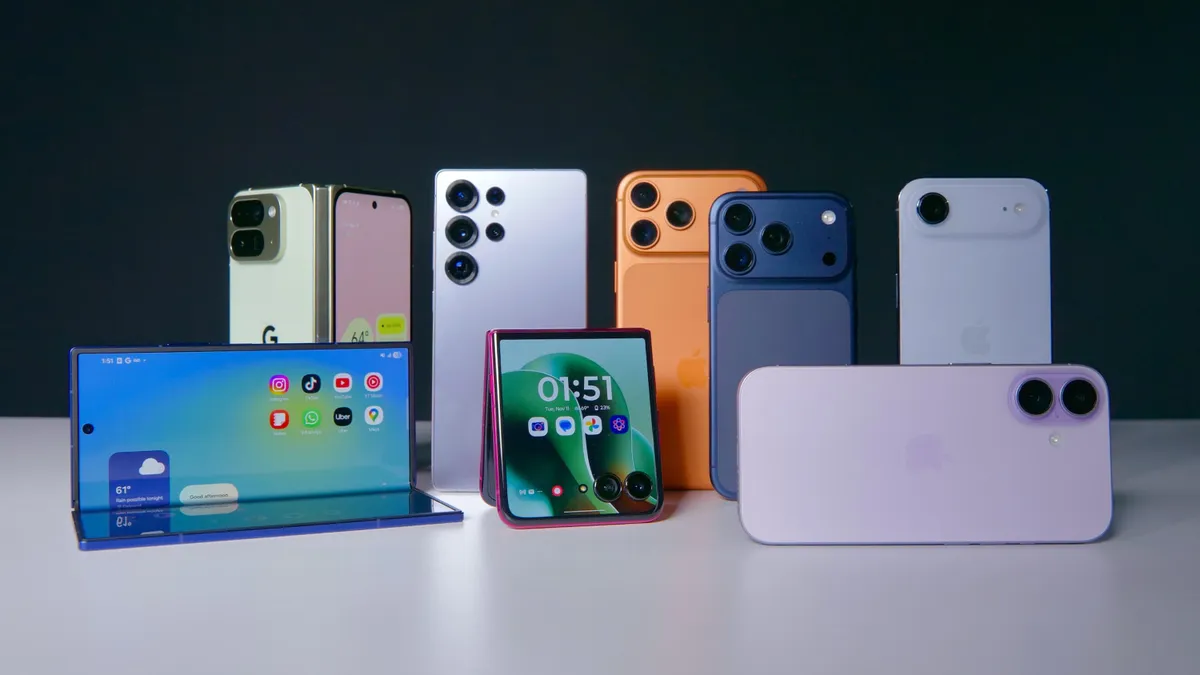
There was a time when buying a new smartphone felt exciting. Every year brought a clear upgrade. Bigger screens, better cameras, faster processors. People queued up, compared models, and proudly showed off new features. But somewhere along the way, that excitement slowed down. Phones became similar. Upgrades felt small. Even foldable phones, which looked futuristic at first, slowly started feeling familiar.
As we move into 2026, the smartphone industry is standing at an interesting moment. The question is no longer “What’s the next big feature?” but “What should a phone become next?” The answer is not one dramatic invention, but a collection of quiet changes that will slowly redefine what we expect from the device in our pocket.
The smartphone of 2026 will not try to impress loudly. It will try to understand you better.
Life After Foldables Feels More Thoughtful Than Flashy
Foldable phones were meant to be the future. They brought new shapes and larger screens into a market that felt stuck. But they also showed the limits of innovation based only on hardware design. Not everyone wanted a heavier phone or a visible crease. Not everyone needed a tablet-sized screen.
In 2026, companies will stop pushing foldables as the only future. Instead, they will treat them as one option among many. Some users will love them. Others will prefer slimmer, lighter phones with better battery life and smarter software.
The focus will shift from changing how phones look to changing how they behave.
Smartphones Become More Personal With On-Device AI
The biggest change in smartphones in 2026 will not be visible at first glance. It will be inside the device. Artificial intelligence will move deeper into the phone, working locally instead of depending on cloud servers.
This means your phone will understand context better. It will know when you are working, relaxing, or travelling. It will adjust notifications automatically. It will suggest actions without asking too many questions.
Camera apps will become smarter, not just sharper. They will understand scenes, lighting, and motion in a more natural way. Photo editing will happen instantly, without uploading images to the internet.
Voice assistants will feel less robotic. They will respond faster, understand accents better, and work even with weak connectivity.
Your phone will stop feeling like an app launcher and start feeling like a personal assistant.
Battery Life Becomes a Bigger Story Than Speed
For years, smartphone companies competed on performance numbers. Faster processors, higher benchmark scores, more cores. But by 2026, most phones will already be powerful enough for daily tasks.
What users will care about more is battery life. A phone that lasts comfortably for a full day, or even two days, will feel more valuable than one that opens apps a fraction of a second faster.
New chip designs will focus on efficiency rather than raw power. Software will play a big role too. AI will manage background processes intelligently, reducing unnecessary drain.
Charging habits will also change. Instead of extremely fast charging that heats up the phone, companies will focus on safer, smarter charging that protects battery health over years.
The future smartphone will respect energy, not waste it.
Cameras Focus on Experience, Not Just Numbers
Camera specs once dominated smartphone marketing. More megapixels, more lenses, bigger sensors. In 2026, this numbers game will slow down.
Phones will focus on consistency rather than extremes. Better low-light performance, natural colours, stable video, and realistic skin tones will matter more than headline features.
AI will help users take better photos without thinking about settings. The phone will understand what kind of photo you want and adjust automatically.
For video, stabilisation and audio quality will improve significantly. More people will use smartphones for content creation, vlogging, and short videos. Phones will adapt to this reality quietly.
The goal will be to capture moments naturally, not technically.
Smartphones Start Living Beyond Screens
One of the subtle changes in 2026 is that smartphones will stop demanding constant screen attention. More actions will happen through voice, gestures, and background automation.
You may not need to open apps as often. Your phone will complete small tasks on its own. Booking reminders, responding to routine messages, organising photos.
Wearables will work more closely with phones. A smartwatch may handle quick interactions while the phone stays in your pocket. Earbuds may become smarter, offering contextual information quietly.
The smartphone will remain central, but it will share responsibility with other devices.
Privacy and Trust Become Selling Points
As phones become smarter, privacy will become more important. In 2026, users will pay attention to how their data is handled.
Phones that process information locally and offer transparent controls will earn more trust. Users will want to know what data stays on the device and what goes outside.
Security features will feel more natural. Face and fingerprint recognition will improve. Phones may recognise owners through behaviour patterns as well.
Trust will become as important as design.
Software Support Becomes a Long-Term Promise
Another major shift in 2026 is how long smartphones are supported. Users are keeping phones longer, and companies are responding.
Longer software updates, better repair options, and sustainable design will matter more. People will choose phones not just for launch features but for long-term reliability.
This change will also reduce electronic waste and make smartphones feel more like long-term companions rather than yearly purchases.
Smartphones Find a New Purpose
The future smartphone will not try to replace laptops or tablets aggressively. Instead, it will focus on being the best personal device.
It will organise life quietly. It will protect privacy. It will adapt to routines. It will work smoothly without demanding constant upgrades.
In 2026, smartphones will mature.
Final Thoughts
The future of smartphones after foldables is not about bending screens or adding more cameras. It is about understanding users better.
The best smartphones of 2026 will not shout innovation. They will whisper it.
They will last longer, think smarter, respect attention, and quietly support daily life. And in a world already full of noise, that may be the most meaningful upgrade of all.